
A small ceiling stain may be the first visible warning of a much larger moisture problem. Here's what Arizona homeowners should know before a minor roof leak turns into an expensive repair.
A Small Ceiling Stain Can Hide a Bigger Problem
In Phoenix, Scottsdale, Glendale, Peoria, and surrounding Arizona communities, roof leaks often become noticeable during monsoon storms or winter rainfall. What many homeowners don't realize is that water can travel through roofing materials, attic insulation, framing, and drywall before a stain ever appears on the ceiling. By the time you notice discoloration, the water may have already affected materials hidden from view. Understanding the warning signs and acting quickly can help minimize additional damage and protect your home.
1. Why a Small Roof Leak Can Become a Bigger Problem
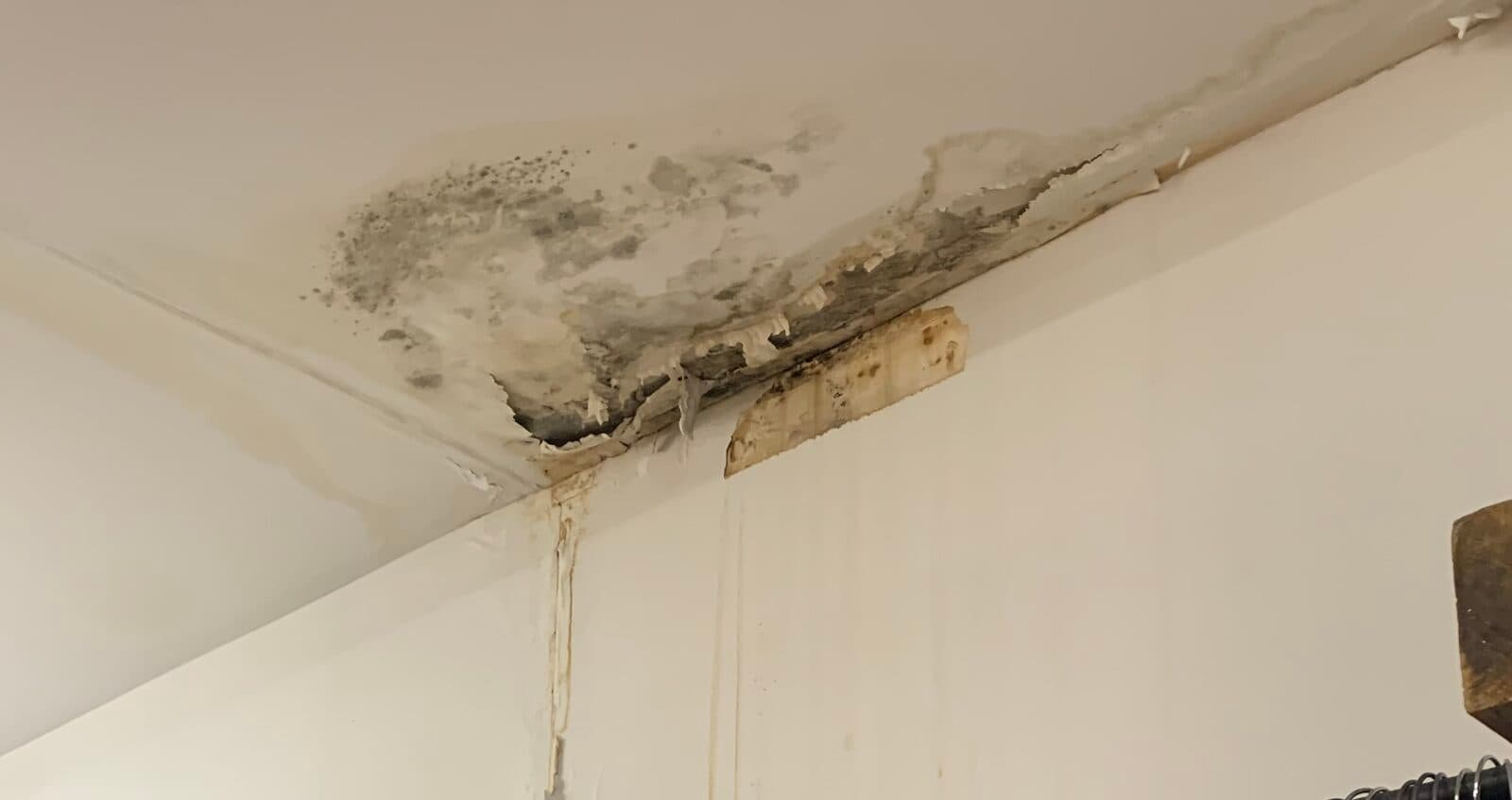
Water rarely travels in a perfectly straight line. A leak around a roof penetration, damaged flashing, deteriorated underlayment, or blocked valley can allow moisture to enter the roofing system. From there, water may travel along framing or decking before reaching an interior ceiling. This means the ceiling stain you see may not be directly below the actual roof leak. Common hidden problems include:
- 1Damp attic insulation
- 2Moisture-damaged drywall
- 3Deteriorating roof decking
- 4Water staining on framing
- 5Mold growth when moisture remains uncontrolled
- 6Damage around electrical fixtures or ceiling penetrations
Not Every Leak Means Major Damage
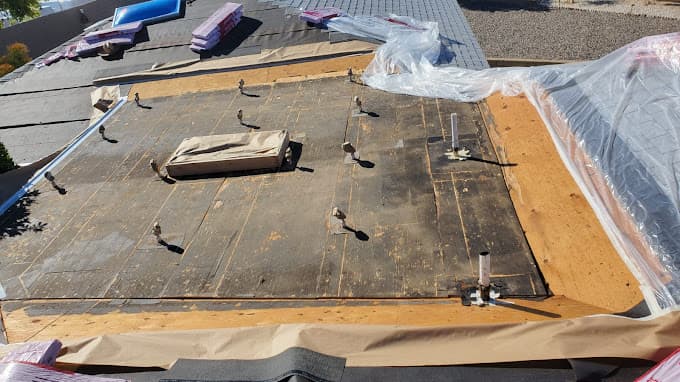
Not every roof leak causes significant structural damage or mold. However, a professional inspection can help determine how far the moisture has traveled and what repairs may be necessary. If you have already found a leak, see our guide to roof leak repair costs in Arizona.
2. Can Mold Develop After a Roof Leak?
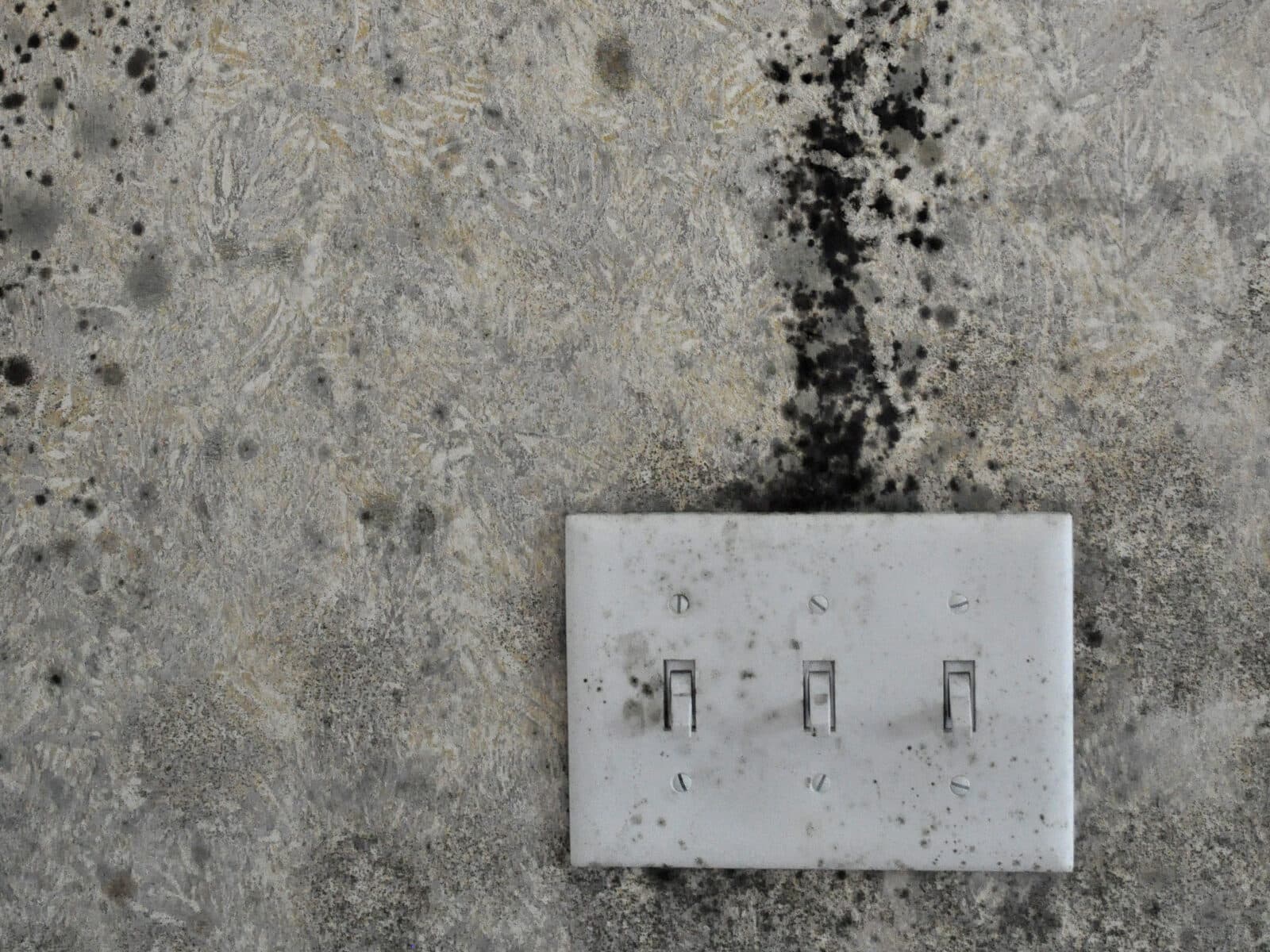
Yes. Mold can begin developing on damp, susceptible building materials within approximately 24–48 hours under favorable conditions. Drywall paper, wood, and dust-covered surfaces can provide materials on which mold grows when moisture is present. Arizona's dry climate does not eliminate this risk. Enclosed cavities, wet insulation, and poorly ventilated areas can retain moisture even when the air outside is hot and dry — one more reason attic ventilation matters. If your ceiling or walls have been exposed to water, it is important to identify the source of the leak and address any remaining moisture. Visible mold, persistent musty odors, or repeated water damage may require additional professional evaluation.
3. Five Warning Signs of Hidden Water Damage
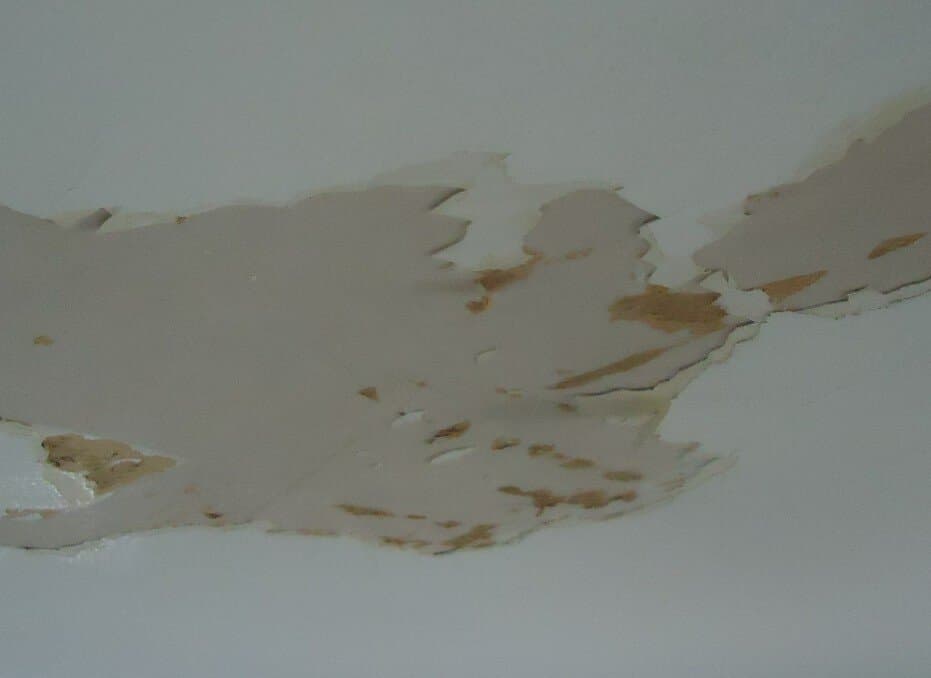
Watch for these signs inside your home:
- 1Brown or yellow ceiling stains — ceiling discoloration is often one of the first visible indications that water has entered the home.
- 2Bubbling paint or peeling drywall — water can weaken painted surfaces and drywall finishes, causing bubbling, peeling, or soft spots.
- 3Musty odors — a persistent musty smell may indicate moisture in materials that are not visible from inside the living space.
- 4Sagging ceilings — a sagging or bulging ceiling can indicate accumulated moisture or damaged materials. Avoid standing beneath it and arrange prompt professional evaluation.
- 5Recurring water stains after rainfall — if the same area becomes wet after multiple storms, the original source of water intrusion may not have been fully corrected.
4. Why Arizona Tile Roofs Can Leak Without Broken Tiles

One of the most common misunderstandings about tile roofing is that the tiles themselves provide the complete waterproofing system. Concrete and clay tiles primarily protect the underlying roof assembly and help shed water. The underlayment beneath the tiles serves as a critical water-resistive barrier. Over time, exposure to extreme heat, aging, and moisture can compromise older underlayment systems. As a result, a tile roof can appear perfectly normal from the street while allowing water intrusion underneath. Depending on the condition of the roof, repairs may involve replacing deteriorated underlayment, correcting flashing, repairing valleys, or resetting tiles. The correct repair depends on identifying the actual point of water entry. Learn more in our guide to tile roof repair, lift & relay, or replacement.
5. What to Do Immediately After Discovering a Roof Leak
First, protect your safety. Stay away from sagging ceilings, exposed wiring, and wet electrical fixtures. If safe, move furniture and belongings away from the affected area. Place a container underneath active drips and document the water damage with photographs. Avoid climbing onto the roof, especially during rain or high winds. Contact a qualified roofing contractor to inspect the source of the water intrusion — see our emergency roof repair guide for what to expect. If interior materials are wet, moisture assessment and professional drying may also be necessary.
Repairing the Roof Does Not Dry What's Already Wet
Repairing the roof stops new water from entering, but it does not automatically dry the materials already affected. Both issues should be addressed to reduce the risk of further damage.
6. Roof Repair and Water Damage Restoration: Why Both Matter

Roofing repairs and interior water damage restoration address different parts of the problem. Roofing work, such as a roof repair, focuses on locating and correcting the exterior source of water intrusion. Restoration work may include evaluating moisture, removing water-damaged materials where necessary, drying affected areas, and checking whether additional cleaning or remediation is needed. A proper recovery plan considers both the roof and the building materials below it. Painting over a ceiling stain without confirming that the leak has stopped and the materials are dry can conceal an unresolved problem.
7. When Should You Schedule a Professional Roof Inspection?
You should consider an inspection when you notice recurring ceiling stains, missing or displaced roof materials, water around roof penetrations, or evidence of moisture following a storm. Older tile roofs, roofs with previous leak repairs, and homes with flat-roof transitions may require particular attention to their waterproofing details. An experienced roofing contractor can assess visible roof conditions, identify likely sources of intrusion, and recommend appropriate repairs. Not sure how often to schedule one? Read how often you should have your roof inspected in Phoenix, or check our list of hidden roof damage after the monsoon.
Protect Your Phoenix Home Before Hidden Damage Gets Worse

At XRP Roofing, we understand the challenges that Arizona's extreme temperatures, monsoon storms, and seasonal rainfall place on residential roofing systems. Our team provides professional roof inspections and repairs for tile, shingle, foam, and flat roofing systems throughout the Phoenix metropolitan area. Whether you have noticed a small ceiling stain or are dealing with an active roof leak, identifying the cause early is an important step toward protecting your property.
Schedule a Roof Inspection With XRP Roofing
Serving Phoenix, Scottsdale, Peoria, Glendale, Mesa, Chandler, Goodyear, and surrounding communities. Licensed, bonded, and insured — Arizona ROC #350898. Call (623) 223-8856 or request an inspection online. This article provides general homeowner education. Actual moisture damage and repair requirements depend on the conditions found during an inspection.
Frequently Asked Questions
Is the roof leak always directly above the ceiling stain?
Not always. Water can travel along framing or decking before it reaches the ceiling, so the stain you see may not be directly below the actual roof leak.
How quickly can mold develop after a roof leak?
Mold can begin developing on damp, susceptible building materials within approximately 24–48 hours under favorable conditions, even in Arizona's dry climate.
Can a tile roof leak if none of the tiles are broken?
Yes. The underlayment beneath the tiles is the critical water-resistive barrier. Heat, aging, and moisture can compromise older underlayment while the tile still looks normal from the street.